




VA Housing Grant for Home Modifications: SAH, SHA, and HISA for Illinois Veterans
On this page
- The Three VA Programs: What Each One Covers
- SAH - Specially Adapted Housing Grant
- SHA - Special Home Adaptation Grant
- HISA - Home Improvement and Structural Alteration Grant
- What These Grants Pay For in Practice
- Illinois State and Federal Programs
- IHDA Home Repair and Accessibility Program
- Medicare
- Illinois Medicaid HCBS Waivers
- How to Apply: Starting Points for North Shore Veterans
- Planning the Accessible Remodel in a North Shore Home
Three VA grant programs can fund accessibility modifications for Illinois veterans with service-connected disabilities. They are different programs, administered differently, with different eligibility thresholds and different dollar amounts. Understanding which one applies to a specific situation is the first step - and it requires confirming current figures at va.gov, because grant amounts change annually and the figures in last year's contractor brochure may not be accurate today.
All grant figures in this post are verified as of May 2026. Confirm current amounts and eligibility directly at va.gov/housing-assistance/disability-housing-grants/ before applying or planning a project around any specific figure.
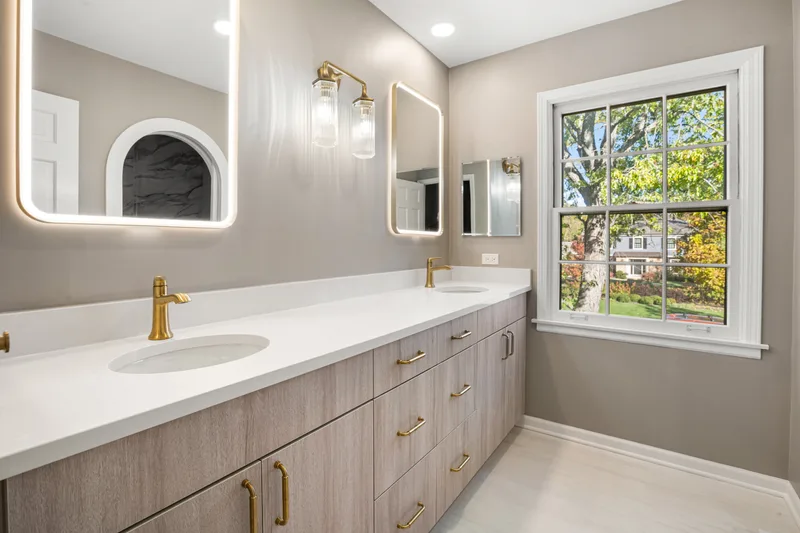
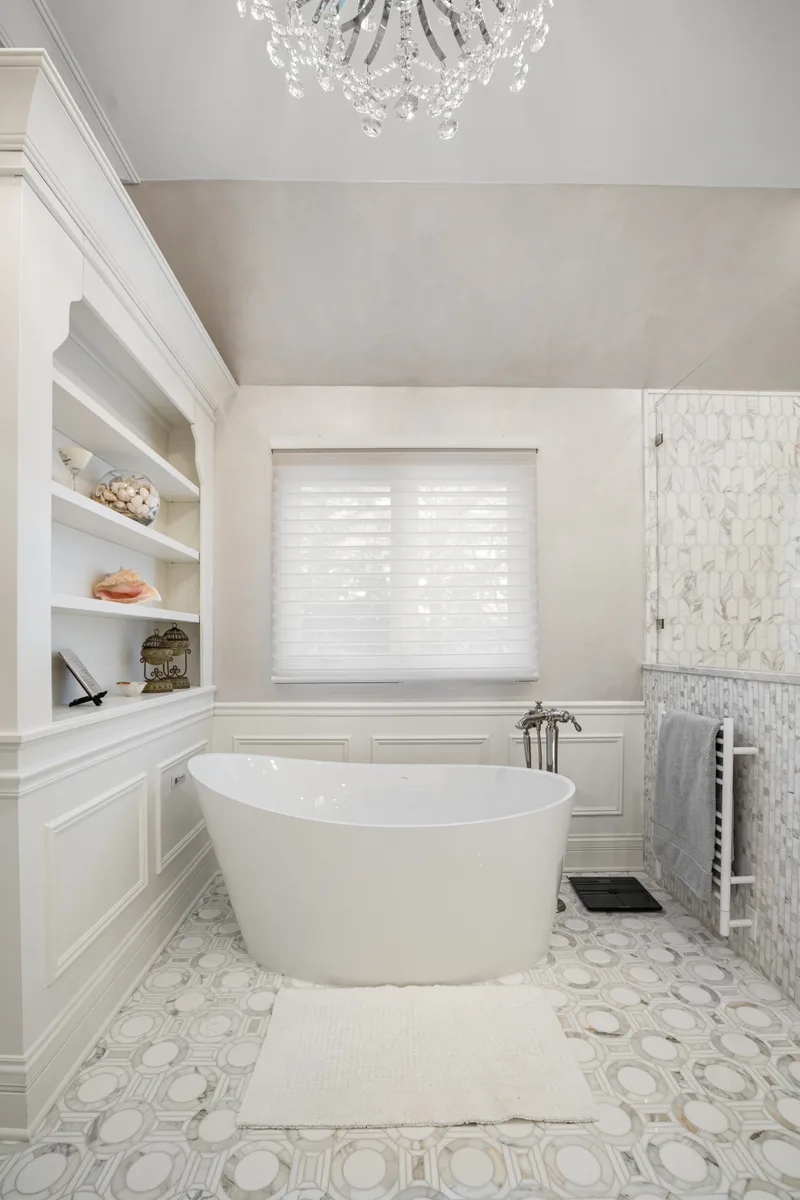
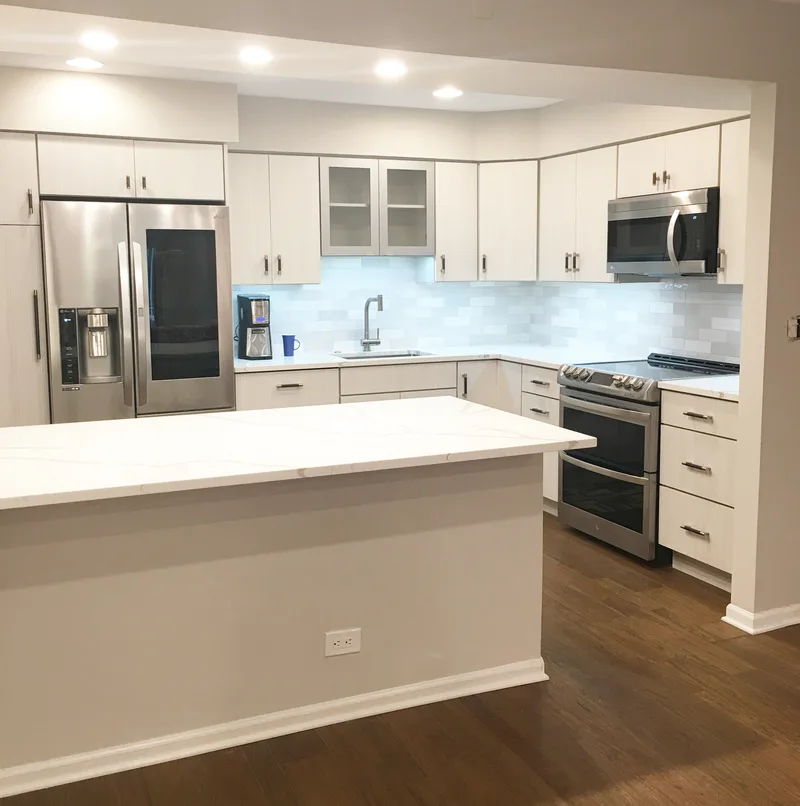
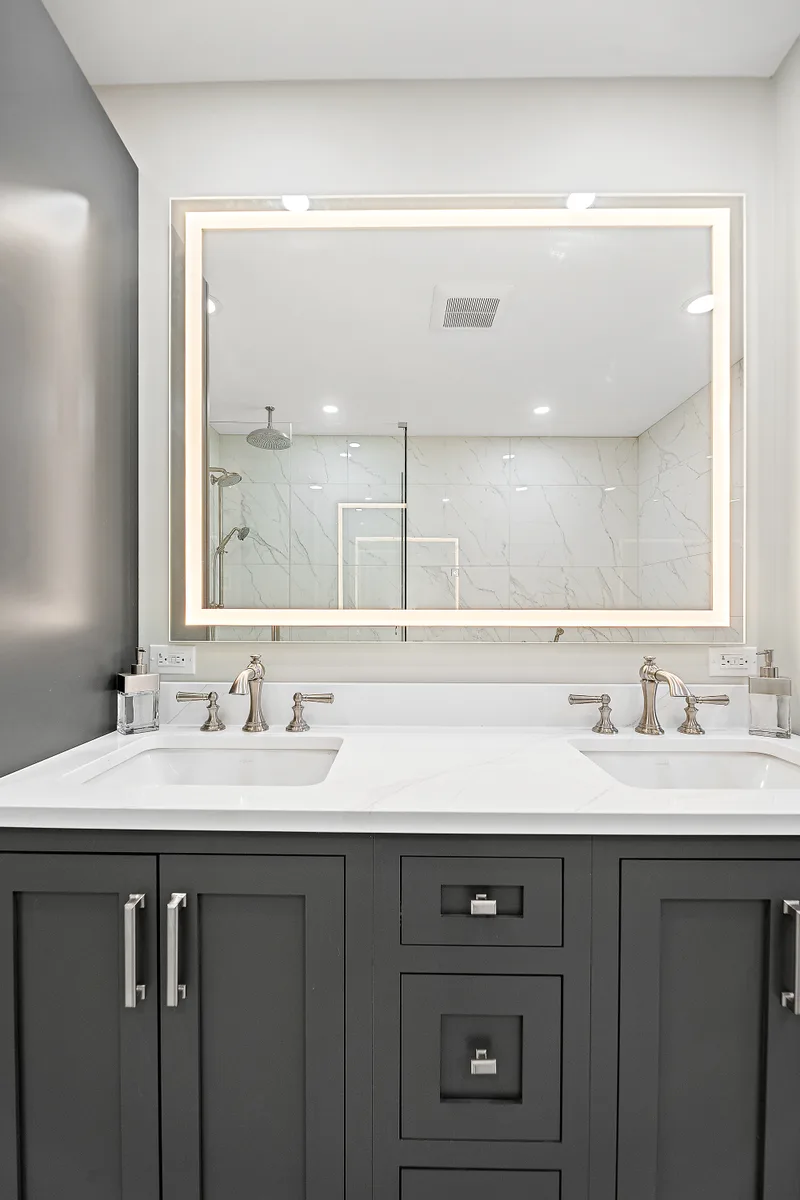
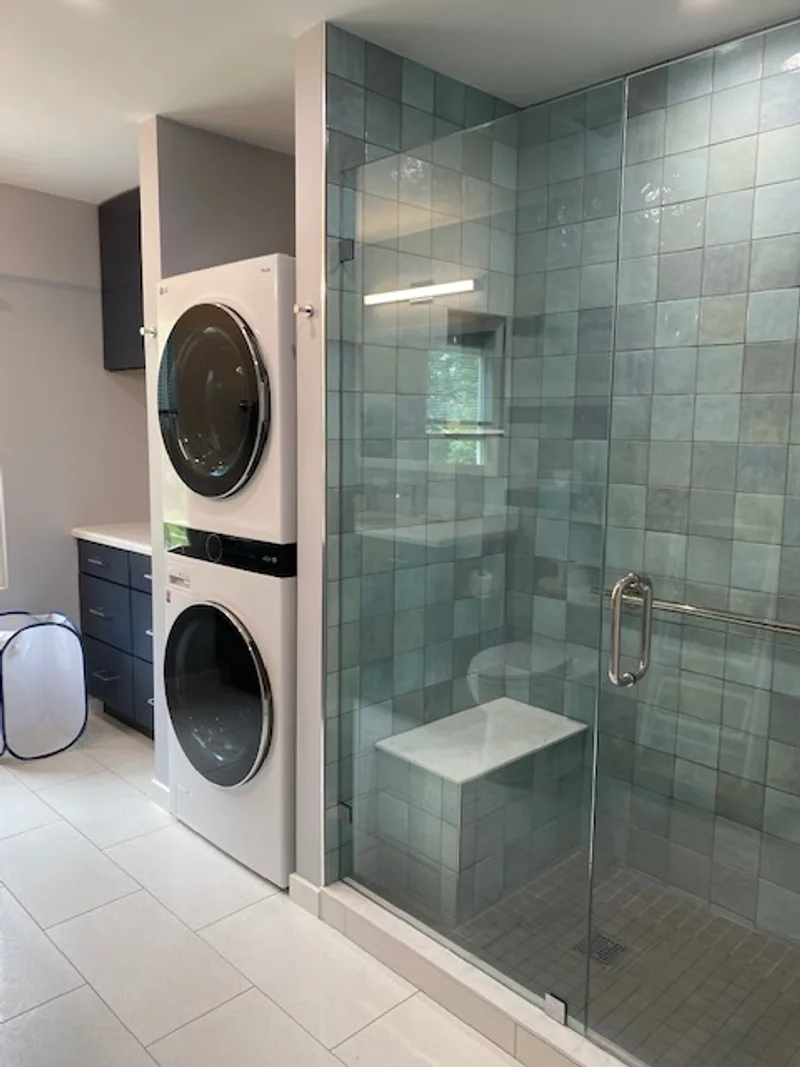
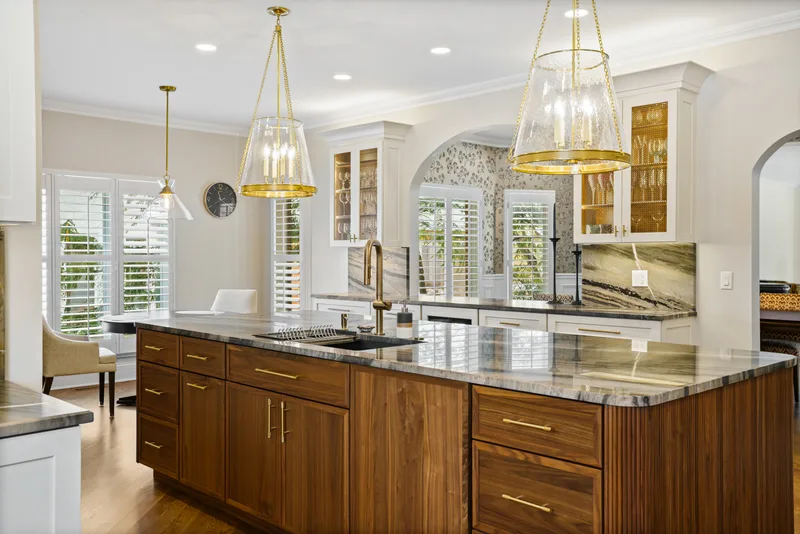
For veterans on the North Shore - in Highland Park, Lake Forest, and the surrounding communities - accessible bathroom and kitchen remodeling for aging-in-place is a real need with real funding options. Our accessible bathroom remodeling services and accessible kitchen remodeling pages describe what these projects involve structurally and technically for North Shore homes.
The Three VA Programs: What Each One Covers
SAH - Specially Adapted Housing Grant
The Specially Adapted Housing grant is for veterans with the most severe service-connected disabilities - those that involve loss of or permanent loss of use of both lower extremities, certain blindness conditions, or other severe disabilities. SAH can be used to construct a specially adapted home, to purchase a home that will be remodeled for adaptive needs, or to adapt an existing home.
FY2026 maximum: approximately $126,526 (verified May 2026 at va.gov). This is the largest of the three grants, but it also has the most restrictive eligibility criteria. Veterans with SAH entitlement can use the benefit up to three times, as long as the total usage does not exceed the maximum. There are no income limits, but the disability must be service-connected and must meet VA's specific criteria.
SHA - Special Home Adaptation Grant
The Special Home Adaptation grant covers veterans with service-connected disabilities that affect mobility in ways not severe enough to qualify for SAH - including certain blindness conditions and loss of use of both hands. SHA applies to homes the veteran currently owns, plans to purchase, or that an immediate family member owns.
FY2026 maximum: approximately $25,350 (verified May 2026 at va.gov). Like SAH, SHA can be used up to three times within the total maximum. SHA is specifically for adaptation of an existing home rather than construction of a new one.
For North Shore veterans adapting an existing home in Highland Park, Lake Forest, or nearby communities, SHA is frequently the more relevant program because it directly applies to existing-home modification rather than new construction.
HISA - Home Improvement and Structural Alteration Grant
The Home Improvement and Structural Alteration grant has broader eligibility than SAH and SHA. It is available to veterans who receive VA health care services and need structural modifications to their home for medical purposes. HISA does not require the same severity of disability as SAH or SHA.
Maximum amounts (FY2026, confirm at va.gov): up to $6,800 for service-connected disabilities; up to $2,000 for non-service-connected disabilities. HISA is administered through VA health care - specifically through your local VA medical facility - not through the VA regional loan center. The modification must be medically necessary and a VA physician or physical therapist must document that the modification is needed for the veteran's disability or condition.
HISA commonly funds grab bar installation with reinforced 2x10 blocking, curbless shower conversions, doorway widening to 32-36 inches clear, threshold ramping, and other modifications that directly address mobility barriers. For North Shore veterans whose primary need is a safer bathroom - not a fully rebuilt accessible suite - HISA is often the most practical starting point.
What These Grants Pay For in Practice
The specific modifications eligible under each program vary. Generally, the programs fund:
- Curbless (zero-threshold) shower entry, including subfloor modification for the proper slope and linear drain
- Reinforced 2x10 wall blocking for grab bars (the U.S. Access Board ADA 2010 Standards Chapter 6 requires grab bars and their mounts to withstand 250 lbs of force in any direction - standard drywall does not meet this requirement)
- Doorway widening to accessible clear width (32 inches clear requires a 36-inch door; most pre-1980 bathroom doors on the North Shore measure 28-30 inches)
- Roll-under vanity with minimum knee clearance
- Comfort-height toilet installation
- Exterior ramp construction
- Accessible route modifications
For North Shore homes - particularly pre-war housing in Highland Park and Lake Forest with balloon framing, narrow door openings, and galvanized supply pipes - these modifications often reveal additional scope when walls are opened. A doorway widening in a pre-1940 home may encounter a load-bearing header that requires structural engineering. A curbless shower conversion in a wood-frame home may require joist modification to recess the subfloor 1.5-4 inches depending on the drain system. Those discoveries affect project cost beyond what the grant covers, and a realistic budget plan should account for them.
Illinois State and Federal Programs
IHDA Home Repair and Accessibility Program
The Illinois Housing Development Authority Home Repair and Accessibility Program provides up to $50,000 per household for income-qualified Illinois homeowners. Income must be under 80% of Area Median Income (AMI). The program is not veteran-specific, but it can be stacked with VA grants if a veteran's project cost exceeds what VA grants cover and the household meets income eligibility.
Demand far exceeds available funding - this program is consistently oversubscribed. Confirm current availability directly with IHDA before counting on it in a project timeline.
Medicare
Original Medicare does not cover structural home modifications - including grab bars, ramps, curbless showers, or doorway widening. This is a common misunderstanding.
Some Medicare Advantage (Part C) plans have covered grab bars and ramps as a supplemental benefit since 2019, but this is entirely plan-specific. No universal benefit exists and no dollar amount can be stated. If a veteran has Medicare Advantage coverage, their specific plan documents will describe what home modification benefits, if any, are included. Source: medicareinteractive.org.
Illinois Medicaid HCBS Waivers
Illinois Medicaid Home and Community Based Services waivers may cover some home accessibility services for eligible recipients. Which specific waiver covers structural modifications varies. Homeowners who may qualify should contact the Illinois Department on Aging. This is not an entitlement program; waiting lists are common.
How to Apply: Starting Points for North Shore Veterans
For SAH and SHA: the starting point is the VA regional loan center. Veterans can apply online at va.gov or work with a VA benefits counselor. The regional office for Illinois veterans is in Chicago. A VA-approved appraiser or inspector typically reviews the property as part of the process.
For HISA: the starting point is your VA medical facility or primary care team. The modification must be documented as medically necessary by a VA physician or physical therapist. The local VA facility coordinates the approval process through VA health care rather than the loan center.
For IHDA: apply directly through IHDA's program portal when funding rounds open. Confirm whether a round is currently accepting applications before beginning the paperwork.
Planning the Accessible Remodel in a North Shore Home
The North Shore's housing stock creates specific planning questions for accessible remodels. Many Highland Park and Lake Forest homes were built in the 1920s through 1960s, with primary eras that match the construction conditions described in the research on pre-war North Shore homes: pre-1980 doorways at 28-30 inches, plaster walls that require careful blocking installation, and subfloors that may need structural review for curbless shower work.
The technical standards that guide accessible bathroom design in residential settings - the ADA 2010 Standards are the commercial benchmark; ICC A117.1-2017 is the technical residential standard - call for a 60-inch turning radius (or T-turn) for wheelchair use, which most standard 5x8 bathrooms cannot achieve without moving a fixture. Moving a fixture triggers plumbing relocation at $2,000-$15,000 depending on scope. Planning the full sequence before construction begins is what separates a well-executed accessible remodel from one that achieves half the goal at full cost.
Schedule a consultation with Delta Remodels to discuss what an accessible bathroom or kitchen modification involves structurally in your specific home. We have worked on accessible remodeling projects across the North Shore since 1987 and can advise on what a VA grant-supported scope realistically looks like from a construction standpoint.
For the broader accessible remodel cost framework, see the accessible bathroom remodel cost guide for the North Shore. For the technical design requirements that apply to walk-in showers, see walk-in shower aging-in-place design requirements.
Frequently asked questions
Which VA grant should an Illinois veteran use for a bathroom or kitchen accessibility remodel?
That depends on the disability rating and the type of modification needed. SAH applies to veterans with the most severe service-connected disabilities who need a specially adapted home. SHA applies to veterans who need to adapt an existing home they own or intend to purchase. HISA covers smaller structural improvements through VA health care for veterans who do not qualify for SAH or SHA, or whose modification scope falls below those thresholds. Verify current eligibility and amounts at va.gov/housing-assistance/disability-housing-grants/ - a VA benefits counselor can confirm which program applies to a specific situation.
Can a veteran use a VA housing grant for a curbless shower or grab bar installation in Highland Park?
Potentially, yes. HISA specifically covers improvements to remove barriers and increase mobility, including curbless shower conversions, grab bar installation with reinforced blocking, doorway widening, and ramp installation. The modification must be medically necessary and supported by a VA physician or therapist. The HISA grant is administered through your local VA health care facility, not through the regional loan center, so the starting point is your VA care team rather than a home loan application.
Is the Illinois IHDA program available to veterans?
Yes. The Illinois Housing Development Authority Home Repair and Accessibility Program is open to income-eligible Illinois homeowners including veterans. It is not VA-specific. The income limit is 80% AMI for the area. Demand significantly exceeds available funding, so current availability should be confirmed directly with IHDA at ihda.org/my-community/revitalization-programs/ before counting on it for project planning.
Does an accessible bathroom increase home value in Highland Park or Lake Forest?
A well-designed accessible bathroom does not hurt resale value and often increases it in the North Shore market. Universal design features - curbless showers, comfort-height toilets, reinforced walls for future grab bars - have become standard in full-scope primary bathroom remodels regardless of whether the current homeowner needs accessibility features. The bathrooms that affect value negatively are ones that look clinical rather than designed. When accessibility is integrated from the start, the room reads as considered design.
Ready to Start Your Project?
Schedule a free consultation. We bring design ideas, material samples, and honest answers.
Get Free Consultation