Call Now
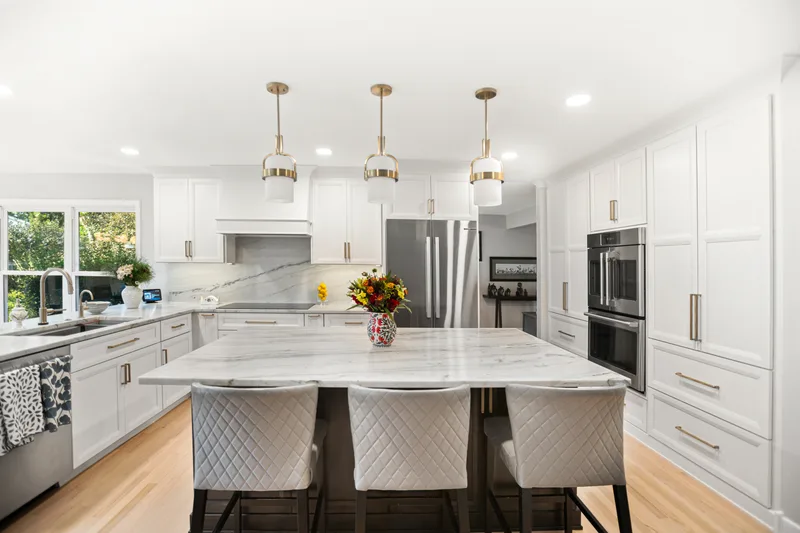
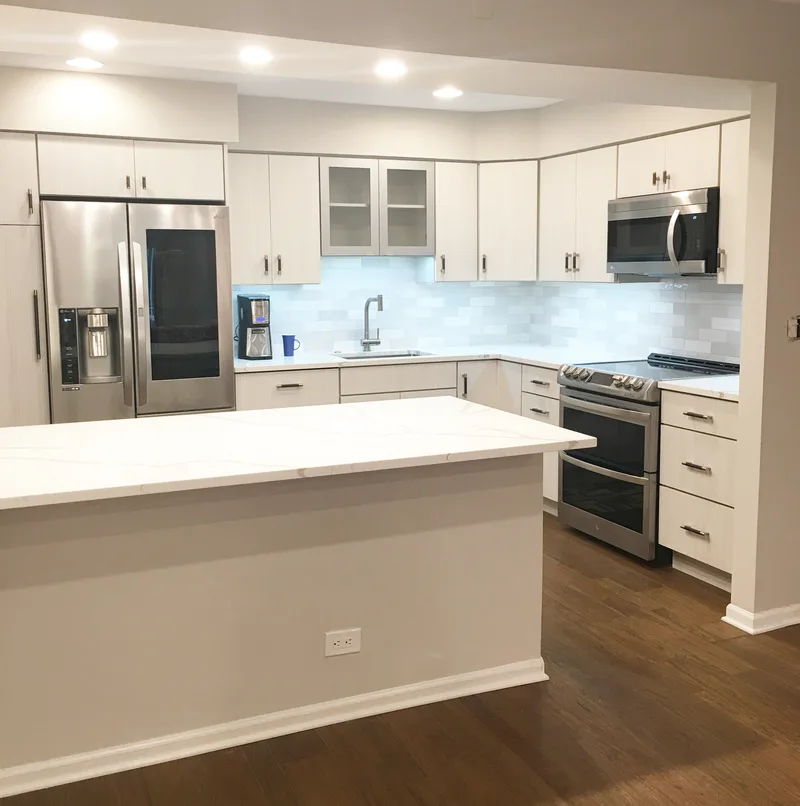
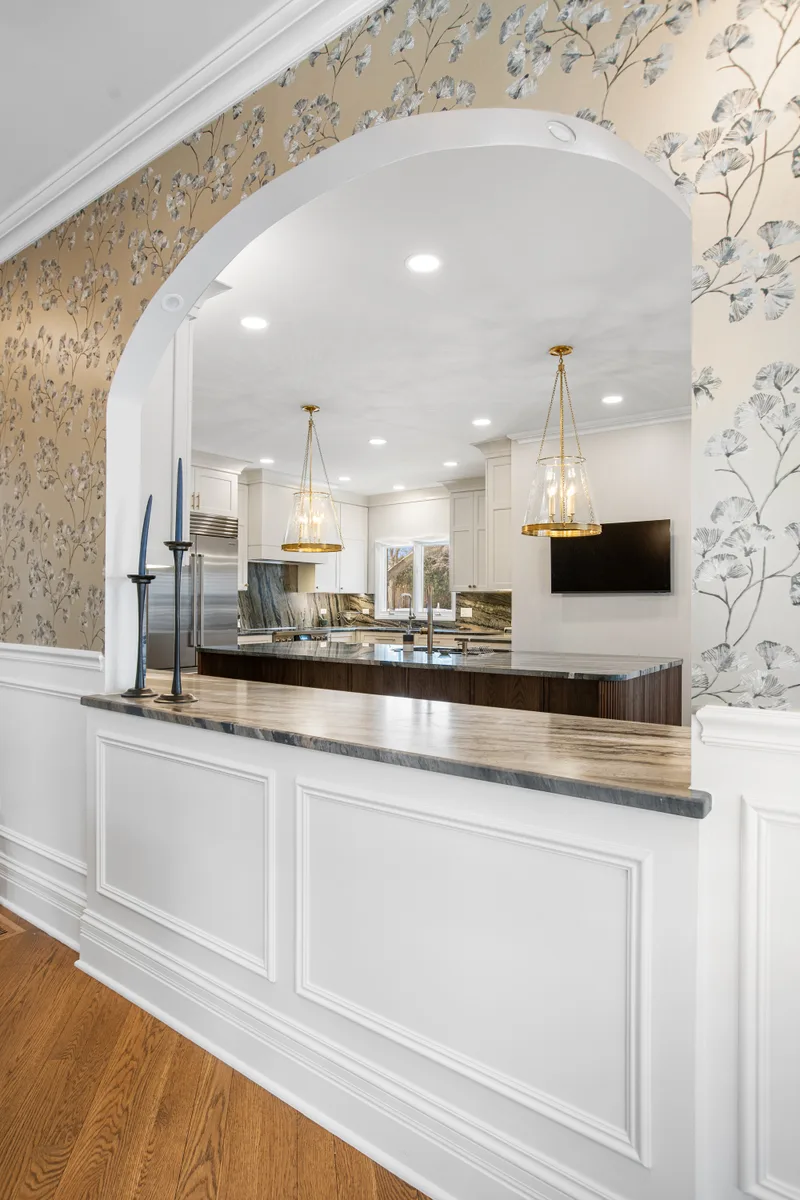
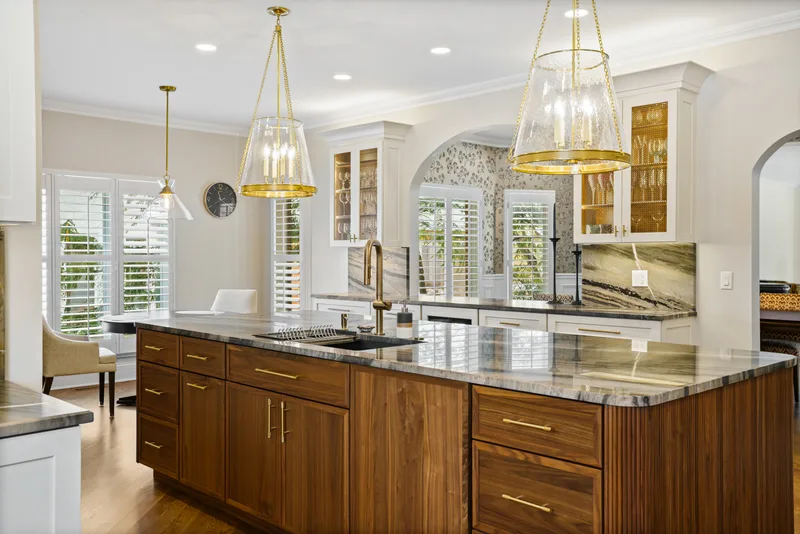
Accessible kitchen remodel by Delta Remodels with multi-height counters and universal design features
Accessible Kitchen Design

Accessible Kitchen Design For Independent, Everyday Use

Delta Remodels designs ADA-informed kitchens for North Shore homeowners who want independence, safety, and aging-in-place features integrated into a kitchen that still reads as a premium residential space.

Scroll
Accessible Kitchen Design

Accessible kitchen design adapts a residential kitchen for safe, independent use by people with mobility, reach, or vision limitations. On the North Shore, accessible kitchens most often combine multi-height counters for seated prep, roll-under sinks and cooktops with knee clearance, side-opening ovens at reachable heights, D-pull hardware, pull-down shelving, and ADA-informed turning radius, integrated into a kitchen that still reads as premium residential design rather than a clinical fit-out.

Featured Projects

Recent accessible and aging-in-place kitchen projects

A look at how Delta Remodels integrates accessibility and universal design into North Shore kitchens without the finished space looking clinical.

Project documentation is being expanded

This service page is ready for more case studies as the project library grows.

Browse the projects
Scope and planning

What usually shapes an accessible kitchen remodel

The decisions that matter most are usually about who cooks, what mobility needs exist today, what might change in the next 10 to 15 years, and how to integrate universal-design features so the kitchen stays coherent and premium rather than clinical.

Investment

Accessible kitchen investment follows layout complexity and appliance integration

Historical investment ranges on the North Shore
Tier Typical range What it usually covers
Focused accessibility retrofit $45,000 to $75,000 Same general layout. Counter height conversion for one prep zone, accessible fixtures and hardware, reinforced cabinetry for future pull-down shelving, induction cooking with auto shutoff.
Universal design remodel $75,000 to $140,000 Multi-height counter zoning, roll-under sink, side-opening oven at reachable height, turning radius planning, D-pull hardware throughout, accessible appliance package, premium finish level.
Full gut with wheelchair accessibility $140,000 to $250,000+ Complete layout reconfiguration, 36-inch doorways, 60-inch turning radius, full wheelchair-accessible appliance suite, custom lowered island with knee clearance, premium cabinetry and stone.
  • Counter height zoning, roll-under clearance, and layout changes for turning radius
  • Custom cabinetry for accessible access, pull-down shelving, roll-out pantries, and D-pull hardware
  • Accessible appliance package including induction, side-opening ovens, drawer dishwashers, and under-counter refrigeration
Timeline

Accessible kitchen timelines depend on cabinetry and structural scope

Accessible kitchen remodels take 8 to 12 weeks for focused retrofits and 12 to 18 weeks for full gut renovations with custom cabinetry and layout changes. Universal-design cabinetry lead times often drive the schedule, along with any structural work required to widen doorways or create turning radius in smaller North Shore kitchens.

  • Discovery session with the household and primary user to document current cooking patterns and mobility needs.
  • Design phase with counter zoning, appliance selection, cabinetry access strategy, and finish direction all developed together.
  • Construction with cabinetry reinforcement, appliance rough-ins, and finish installation sequenced so accessibility features integrate cleanly.
What we design and build

What an accessible kitchen from Delta Remodels can include

Every accessibility feature is designed to integrate with the rest of the kitchen, not read as a separate medical or institutional overlay.

Multi-height kitchen counter with accessible seated prep area
01

Multi-Height Counters And Roll-Under Zones

Primary work counters at 28 to 34 inches for seated or wheelchair use with knee clearance, alongside standard-height counters for standing prep. Zones that look like intentional design rather than accessibility add-ons.

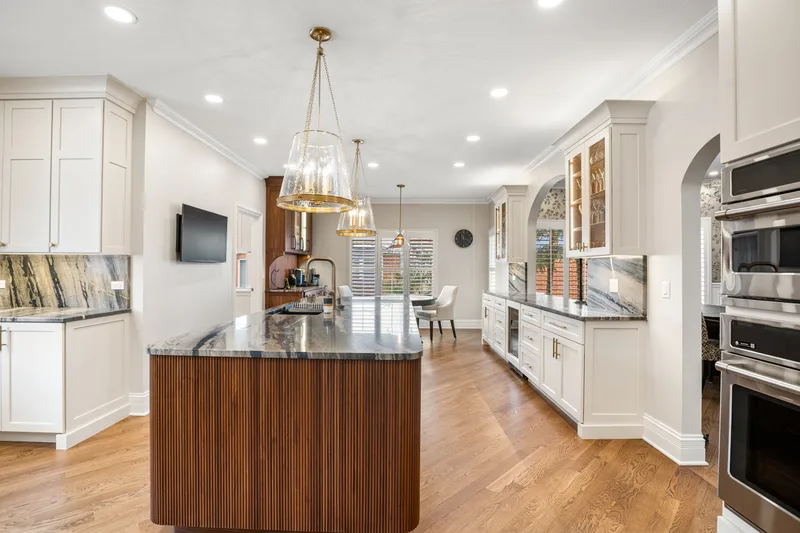
Kitchen island with roll-under prep clearance and D-pull cabinet hardware
02

Accessible Appliance Integration

Side-opening wall ovens at reachable heights, induction cooktops with auto shutoff, drawer dishwashers, pull-down shelving units, and D-pull hardware on every drawer and cabinet. Specified to serve both aging-in-place and daily universal use.

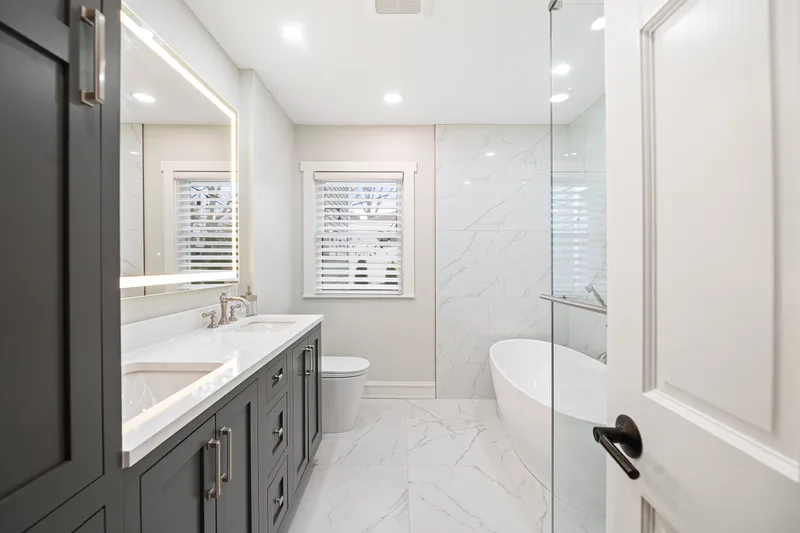
Universal design kitchen with accessible lighting and pull-down storage
03

Layout And Lighting For Every User

Turning radius, clear floor space, wider aisles, contrast tile choices for low-vision visibility, task lighting calibrated for aging eyes, and smooth transitions between surfaces designed to support long-term independent use.

When it is time

Signs it is time to build accessibility into the kitchen

01

Reach and counter height have become barriers

When upper cabinets, cooktop reach, or counter height start creating daily friction or risk, a remodel that rethinks the work triangle usually produces a much better outcome than small adaptations.

02

Someone in the household has new mobility needs

Recovery, a new diagnosis, or a family member moving in often triggers the remodel. The kitchen becomes the room where independence is most visibly preserved or lost.

03

You want to age in place in the home you love

North Shore homeowners who plan to stay long-term benefit from building accessibility features now, while the design language can stay coherent rather than being retrofitted in pieces.

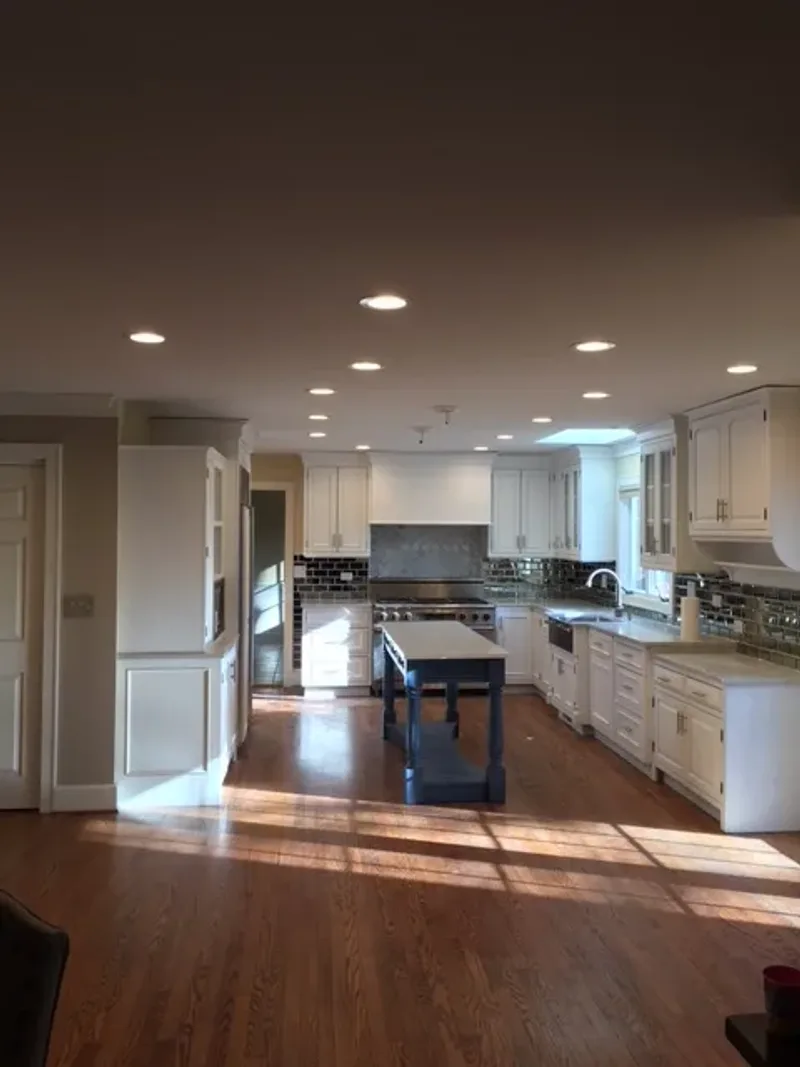
Universal design kitchen with accessible lighting and pull-down storage
Our process

How an accessible kitchen remodel actually works

The strongest outcomes come from designing accessibility into the foundational layout and cabinetry, with appliances, hardware, and finishes all specified together as a universal-design system.

Step 01

Understand who cooks, and how

We meet with the household and primary users to understand current cooking patterns, mobility needs, reach limits, and what daily independence looks like for them in the kitchen.

Step 02

Design universal from the start

Counter heights, appliance placement, cabinetry access, hardware, and lighting are designed as a universal-design system rather than a conventional kitchen with accessibility features added later.

Step 03

Build with cabinetry and structure coordinated

Cabinet mounting is reinforced for future pull-down units even if not installed today. Appliance rough-ins, electrical, and plumbing are located for both current accessibility and long-term flexibility.

Step 04

Finish so it reads as premium design

The final walkthrough ensures every accessibility feature integrates with the rest of the kitchen. The finished space should read as a considered design, not a medical or institutional fit-out.

FAQ

Accessible kitchen design questions

What makes a kitchen accessible?

An accessible kitchen is designed so people with mobility, vision, or reach limitations can prep, cook, and clean independently. That usually means lower counter sections for seated or wheelchair use, roll-under sinks and cooktops, pull-down upper shelving, side-opening ovens, D-pull hardware that works without fine grip strength, and clear floor space at every appliance. Delta Remodels designs these features so the kitchen still reads as a premium residential space rather than an institutional one.

Is an ADA-compliant kitchen the same as an accessible kitchen?

ADA compliance is a legal commercial-space standard. Residential accessible kitchens use ADA guidelines as a reference but apply them flexibly based on who uses the kitchen. A private North Shore home kitchen might use ADA-compliant turning radius, counter heights, and appliance clearances while still fitting residential proportions and premium finish language. The right version depends on the household.

Can an accessible kitchen still look like a luxury kitchen?

Yes, and this is what most of our accessible kitchen designs deliver. Multi-height counters read as zoned prep areas rather than accessibility adjustments. Pull-down shelving and roll-out pantries are premium design features in most high-end kitchens today. Roll-under sinks integrate cleanly with floating vanity styling. Most accessibility features used now double as universal-design moves that benefit every household member.

How much does an accessible kitchen remodel cost in North Shore homes?

Accessible kitchen remodels typically range from $65,000 to $180,000 on the North Shore depending on layout complexity, whether walls need to move to create turning radius, the appliance package specified, and the finish level. Most projects land between $85,000 and $140,000. A focused single-counter conversion for seated prep work starts around $45,000. Full gut renovations with wheelchair accessibility and luxury appliances can exceed $200,000.

What is universal design in a kitchen?

Universal design is the principle of creating spaces that work for everyone regardless of age, mobility, or ability. In a kitchen that means variable counter heights, lever handles, D-pull cabinet hardware, induction cooking with auto shutoff, side-opening ovens, roll-out shelving, non-slip flooring, and task lighting calibrated for low-vision use. Universal design features tend to feel like upgrades rather than adaptations.

Can you remodel a kitchen for a wheelchair user specifically?

Yes. Wheelchair-accessible kitchens require a 60-inch turning radius in the main work zone, 30 by 48 inch clear floor space at each appliance, roll-under sinks and cooktops with knee clearance, 28 to 34 inch counter heights at primary work areas, side-opening wall ovens at reachable heights, and 32-inch minimum doorway widths. Delta Remodels has completed wheelchair-accessible kitchens in both single-user and multi-generational households.

Do you design kitchens for aging in place?

Most of our accessible kitchen work is aging-in-place design. The goal is to build in features that serve the household now without looking accessible, with infrastructure in place for future needs. That includes reinforced cabinet mounting for future pull-down shelving, lever fixtures, D-pull hardware, induction cooking, wider aisles, and task lighting sized for the next 15 to 20 years of use.

Start Your Project

Planning an accessible or aging-in-place kitchen?

Start with a conversation about who cooks, what mobility needs matter today, and how to build in universal-design features without compromising the design.