



Kitchen Storage Solutions: Smart Remodeling Ideas for Every Layout
A well-planned kitchen remodel solves storage problems before they happen - and the best storage solutions are designed into the space, not added as an afterthought. If you haven’t finalized your kitchen’s layout and materials yet, the kitchen remodel design guide covers those decisions before you get to storage planning.
If your kitchen counters are cluttered, cabinets are overflowing, or you’re constantly digging through poorly organized drawers, that’s a design problem, not a habit problem. The layout either supports how you cook and live, or it fights you. A remodel is the opportunity to fix it for good.
At Delta Remodels, storage planning is part of every kitchen project from day one. Here’s what works, why it works, and what to think about before your remodel begins.
Start With Vertical Space - Most Kitchens Have Too Much of It Wasted
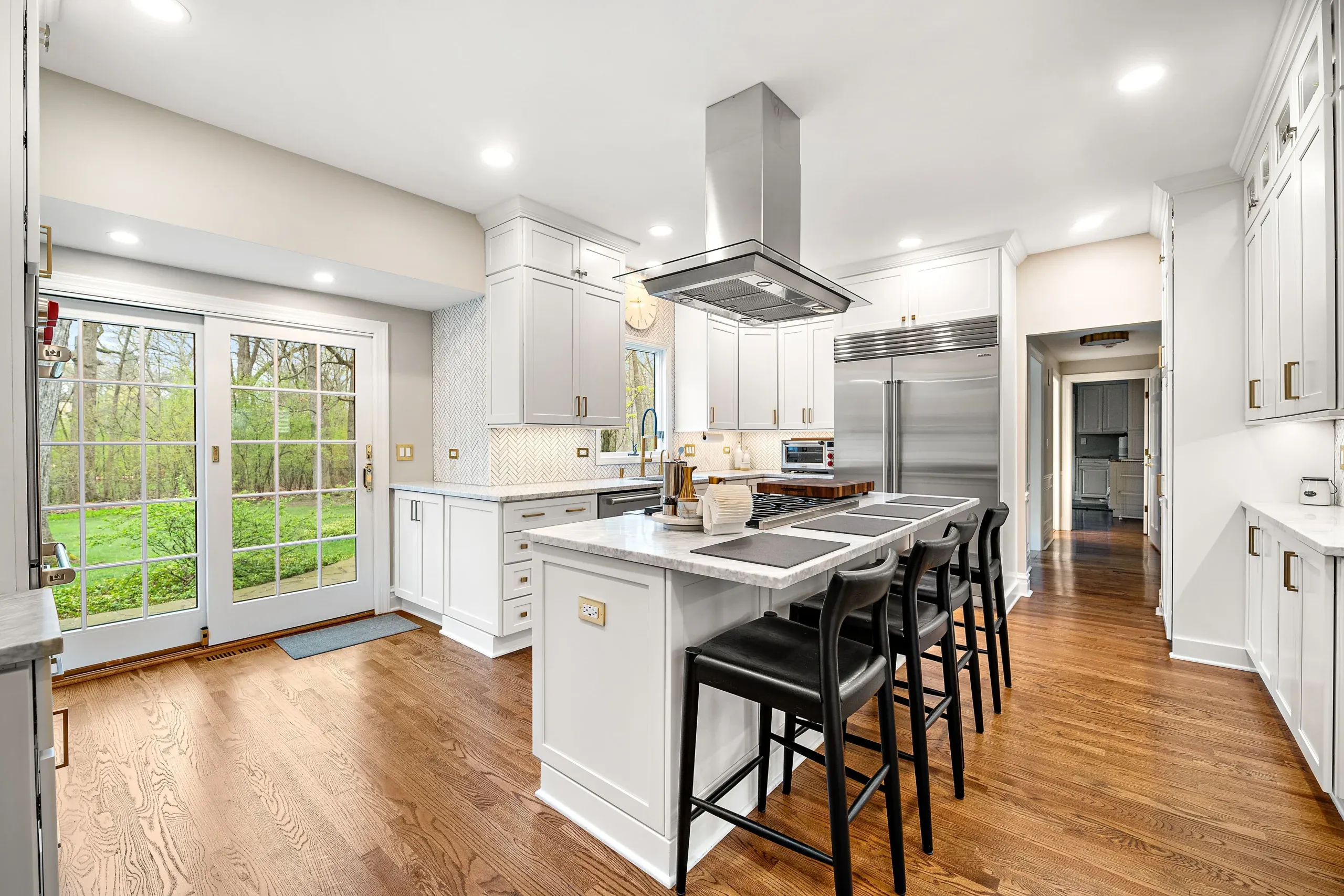
The gap between cabinet tops and the ceiling is one of the most consistently wasted areas in kitchen design. Standard upper cabinets stop at 7 to 8 feet while most ceilings run 9 feet or higher. That foot of dead space stores nothing and collects dust.
Extending upper cabinets to the ceiling solves two things at once: it adds meaningful storage for less-used items like serving platters, seasonal bakeware, and appliances you don’t reach for daily, and it creates a cleaner, more finished look by eliminating that awkward gap.
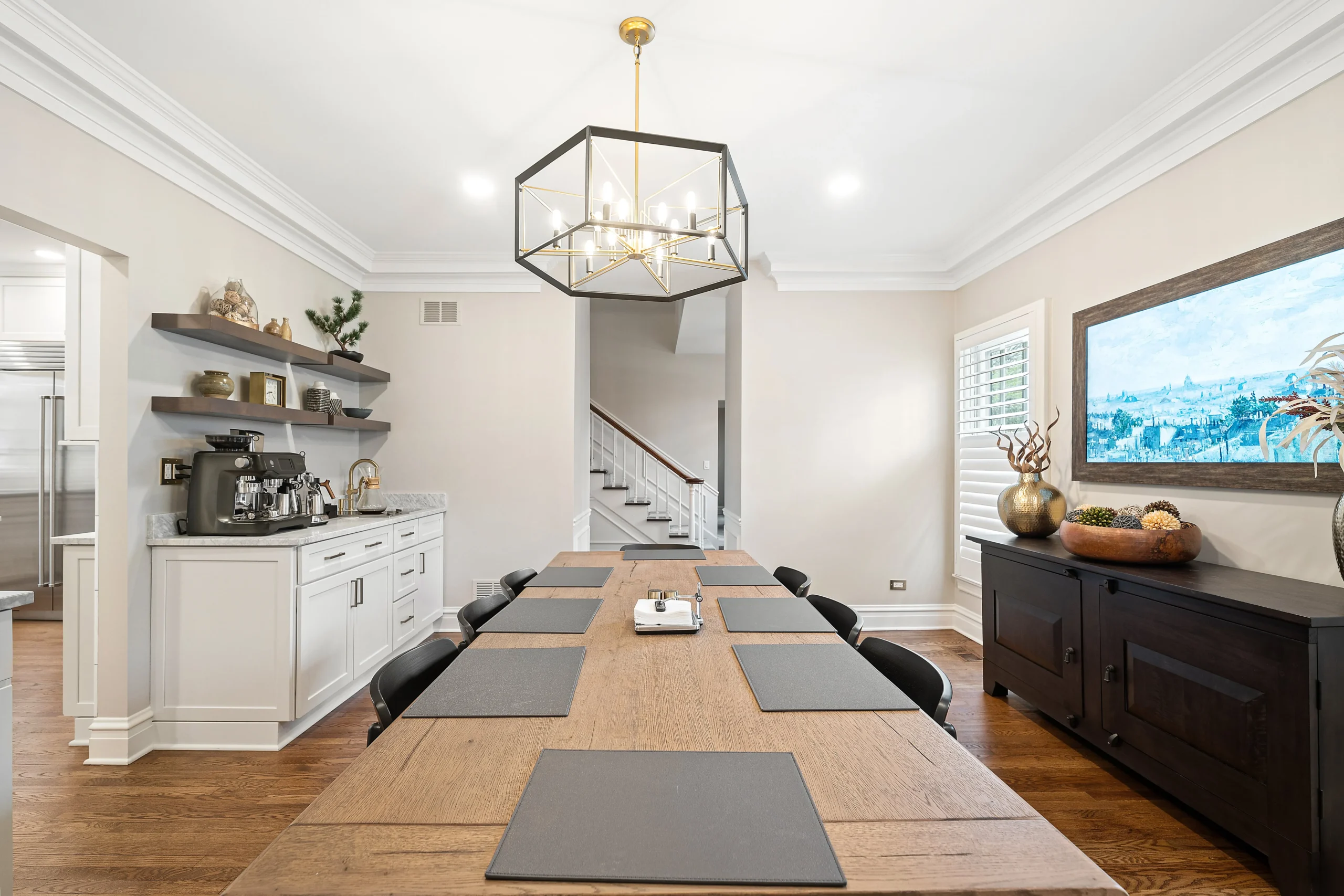
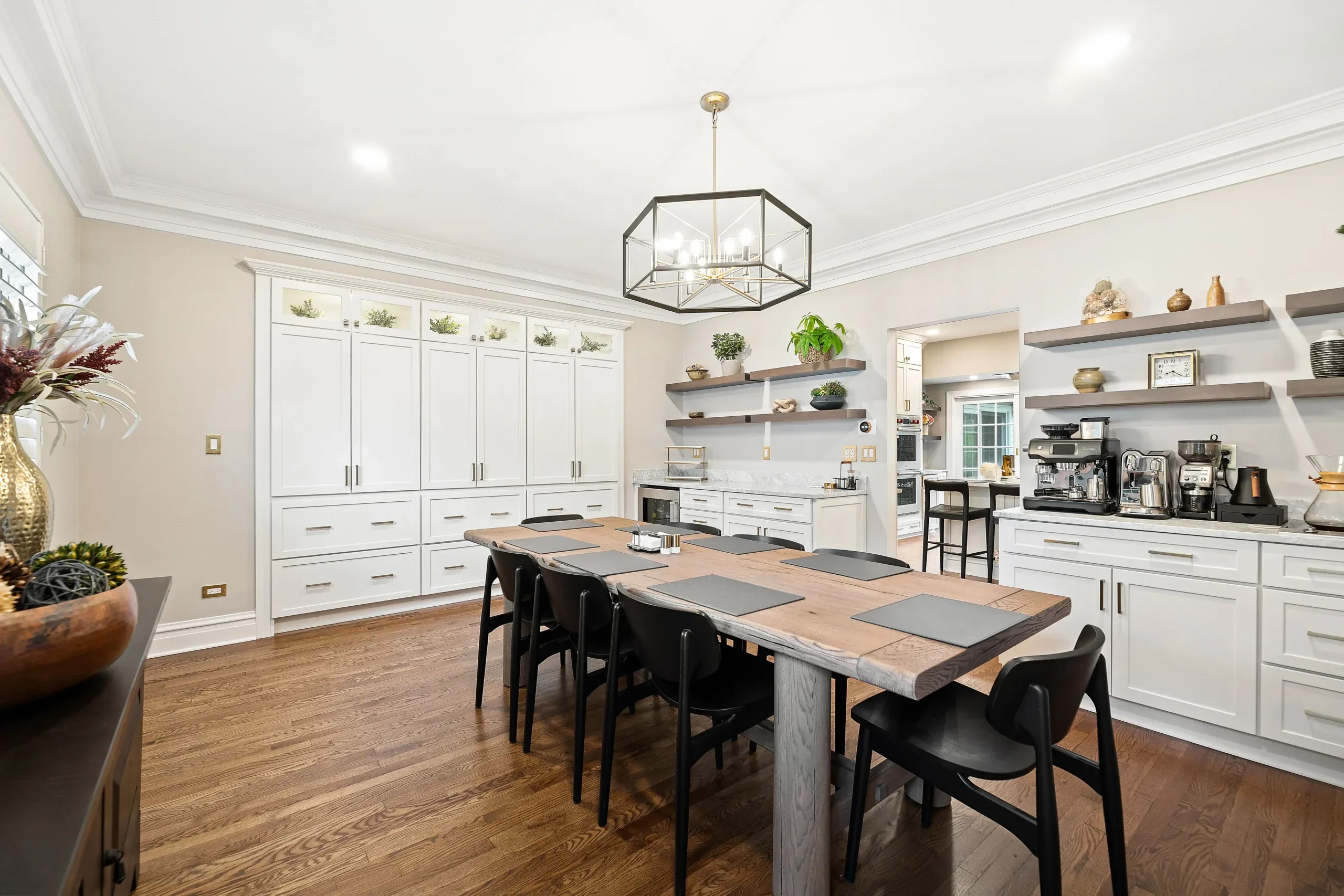
Open shelving on upper walls works well for everyday items - dishes, glasses, and frequently used pantry staples. The visual openness makes smaller kitchens feel larger. The trade-off is that open shelves require consistent organization to look right. If you’d rather not think about it, closed cabinets are the simpler long-term choice. Adding under-cabinet lighting to the upper cabinet undersides is a practical upgrade that improves visibility at the countertop regardless of which approach you choose.
Hanging pot racks mounted to the ceiling or a range hood are another vertical storage option worth considering if you cook regularly with multiple pans. Freeing up lower cabinet space for other items is a practical trade.
Drawer Storage: Where Most Kitchens Fall Short
The biggest missed opportunity in most kitchen remodels is underusing drawers. Most kitchens have too few drawers and too many deep base cabinets with a single fixed shelf - which means things end up stacked, buried, and hard to reach.
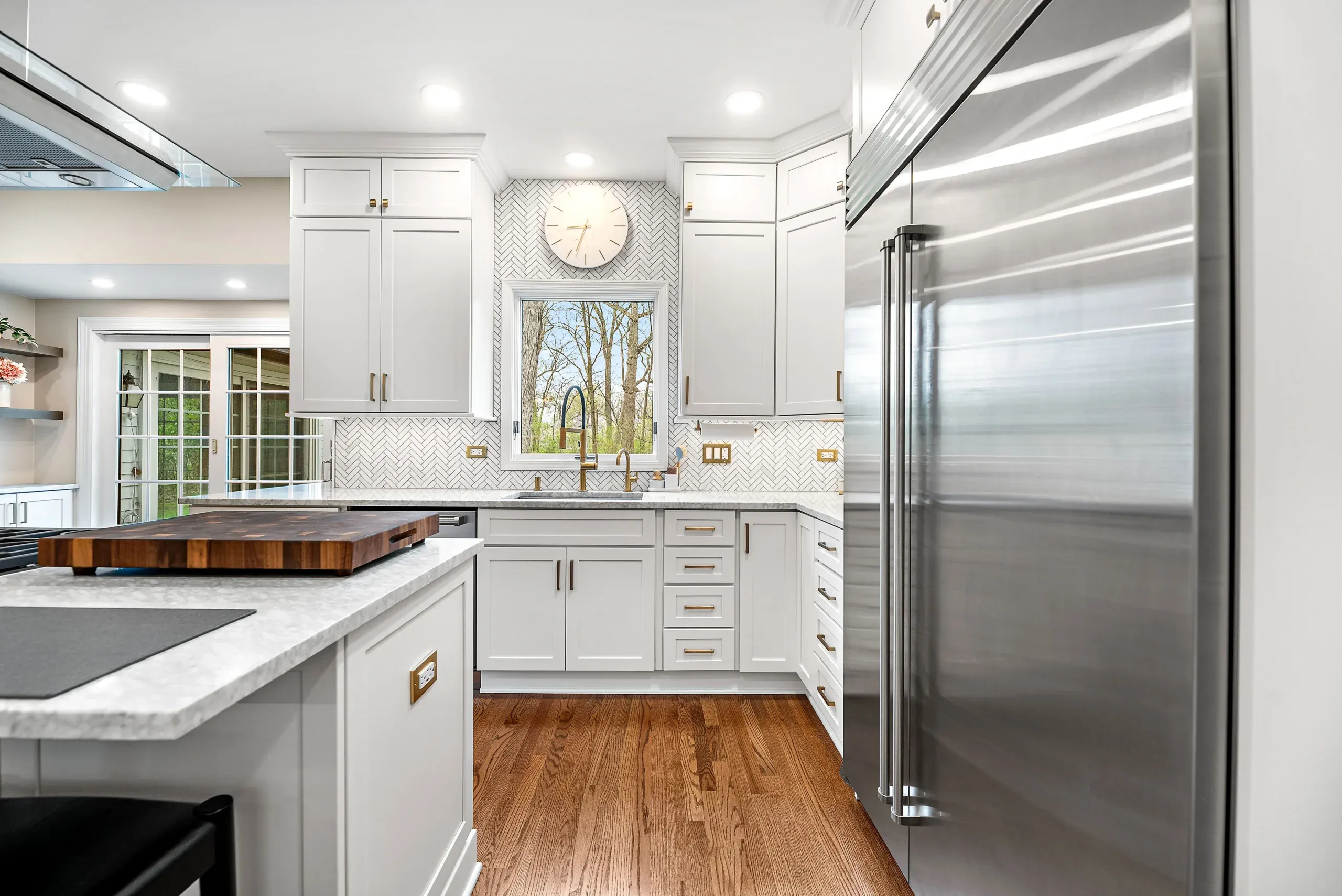
Deep drawers are a better solution for pots, pans, and heavy cookware than base cabinets with shelves. You can see everything at once, pull it out without crouching, and stack less. Replacing even two or three base cabinet units with full-height drawer stacks makes a noticeable difference in daily use.
For smaller items, drawer dividers and inserts make the difference between a functional drawer and a junk drawer. Dedicated sections for utensils, spice jars, knife storage, and small tools keep everything in place and accessible. A pull-out spice rack next to the range is worth the cost in kitchen efficiency.
Custom drawer configurations cost more than standard options but pay for themselves in everyday function. This is one area where cutting the budget usually leads to frustration later.
Corner Cabinets and Underutilized Areas
Corner base cabinets are notoriously difficult to use well. The deep, hard-to-reach interior is where things go to disappear. There are several approaches that actually work:
Lazy Susans and rotating carousels make corner space accessible but require items that fit the circular footprint. They work well for canned goods, spices, and small pantry items.
Pull-out corner systems (sometimes called magic corners or swing-out shelves) extend out and rotate to bring the contents to you. These are more expensive but functionally superior to a standard lazy Susan for pots and mixing bowls.
Dead corner shelving with a diagonal door is a simpler approach - easier to install, lower cost, and adequate for items you access less frequently.
Beyond corners, two specific areas in most kitchens go unused: the space beneath cabinet toe-kicks and the area above the refrigerator. Toe-kick drawers require custom installation but provide a surprising amount of storage for flat items like baking sheets, pizza pans, and cutting boards. Above-fridge cabinets are most useful when designed with pull-out or full-extension shelves so you can actually reach what’s stored there.
Islands and Peninsulas: Build in Storage From the Start
If your kitchen has or will have an island, the base is prime storage territory. An island is only as functional as what’s built into it. Standard options include:
- Base cabinets on one or both sides (with doors or drawers)
- Built-in wine racks or bottle storage
- Open shelving sections for cookbooks or display items
- Appliance storage with electrical outlets built in
- Hidden trash and recycling bins with pull-out frames
The same principle applies to a peninsula. The overhang that provides seating space doesn’t require sacrificing storage - the base can still include cabinets or shelves on the kitchen side.
Planning the interior of an island at the design stage is much easier and less expensive than trying to add storage after the fact. If you’re remodeling, this is the time to make those decisions.
Custom Cabinetry vs. Stock Cabinets: What Storage Decisions You’re Really Making
The choice between custom, semi-custom, and stock cabinetry is largely a storage decision, not just an aesthetic one. Stock cabinets come in fixed sizes, which means your layout has to accommodate standard widths. Filler strips fill gaps. Functionality is whatever configuration the manufacturer offers. For a full breakdown of update options - including refacing and hardware changes - see our kitchen cabinet remodel ideas guide.
Custom and semi-custom cabinetry is built to fit your specific dimensions and workflow. Cabinets can be configured around unusual ceiling heights, soffits, windows, or appliances that don’t align with standard dimensions. Features like pull-out trash bins, built-in roll-out trays, soft-close hardware, and interior lighting are integrated into the design, not bolted on afterward.
For a kitchen that genuinely solves your storage problems, semi-custom or custom cabinetry is usually the better investment. The cost difference is real, but so is the long-term functional difference.
Practical Planning Questions Before Your Remodel Starts
Before finalizing any kitchen storage plan, it helps to answer a few specific questions:
- What do you use daily vs. weekly vs. seasonally? Daily items should be at arm’s reach; seasonal items can go in higher or harder-to-access spots.
- Where do you stand most when cooking? That should be the most densely stocked area of the kitchen.
- Do you have a dedicated pantry or rely entirely on cabinet space? If the latter, planning pantry-style cabinet sections saves a lot of day-to-day frustration.
- What appliances live on the counter, and which should have dedicated storage? Countertop appliances you use twice a month don’t need permanent counter space.
These questions shape the layout before a single cabinet is specified. Getting them right early produces a kitchen that works the way you actually live in it.
If you’re planning a kitchen remodel on the North Shore and want storage solutions designed around your specific layout and habits, contact Delta Remodels to schedule a consultation. We serve Lake Forest, Highland Park, Winnetka, and surrounding communities. See our full range of kitchen remodeling services for more on what we offer.
Ready to Start Your Project?
Schedule a free consultation. We bring design ideas, material samples, and honest answers.
Get Free Consultation